As the West Asia conflict enters its fifth week, the U.S. President has signaled a massive escalation in military objectives, floating the idea of permanently occupying Iran's primary energy hub.
 Sseema Giill
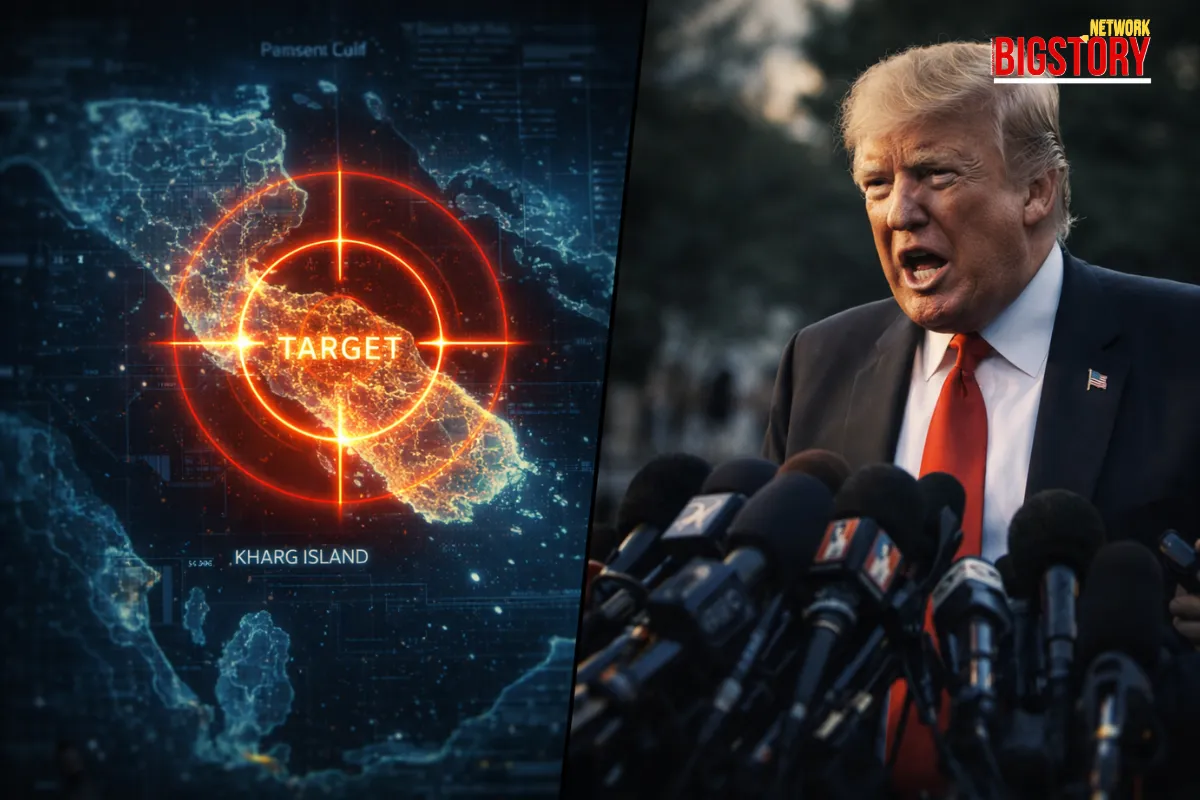
What happened: President Donald Trump has mused about a military seizure of Iran's primary oil hub, Kharg Island, stating his "preference" is to "take the oil" to end the West Asia conflict.
Why it happened: With Brent crude surging to $116 and Iran explicitly rejecting a 15-point U.S. ceasefire deal, Trump is drastically escalating military pressure to force a reopening of the Strait of Hormuz.
The strategic play: Trump is comparing the potential seizure to U.S. actions in Venezuela, suggesting a long-term American presence on the island may be necessary to control Iranian energy exports.
India's stake: Any U.S. occupation of Iranian oil assets would destroy the fragile "safe corridor" India has negotiated for its tankers, potentially pushing global oil prices to historic highs and triggering severe domestic inflation.
The deciding question: Is the recent surge of 10,000 U.S. ground troops intended for a targeted extraction mission, or is it the vanguard for a permanent occupation of Iran's energy heartland?
As the West Asia conflict grinds into its fifth week, U.S. President Donald Trump has signaled a terrifying new escalation in Washington's military objectives.
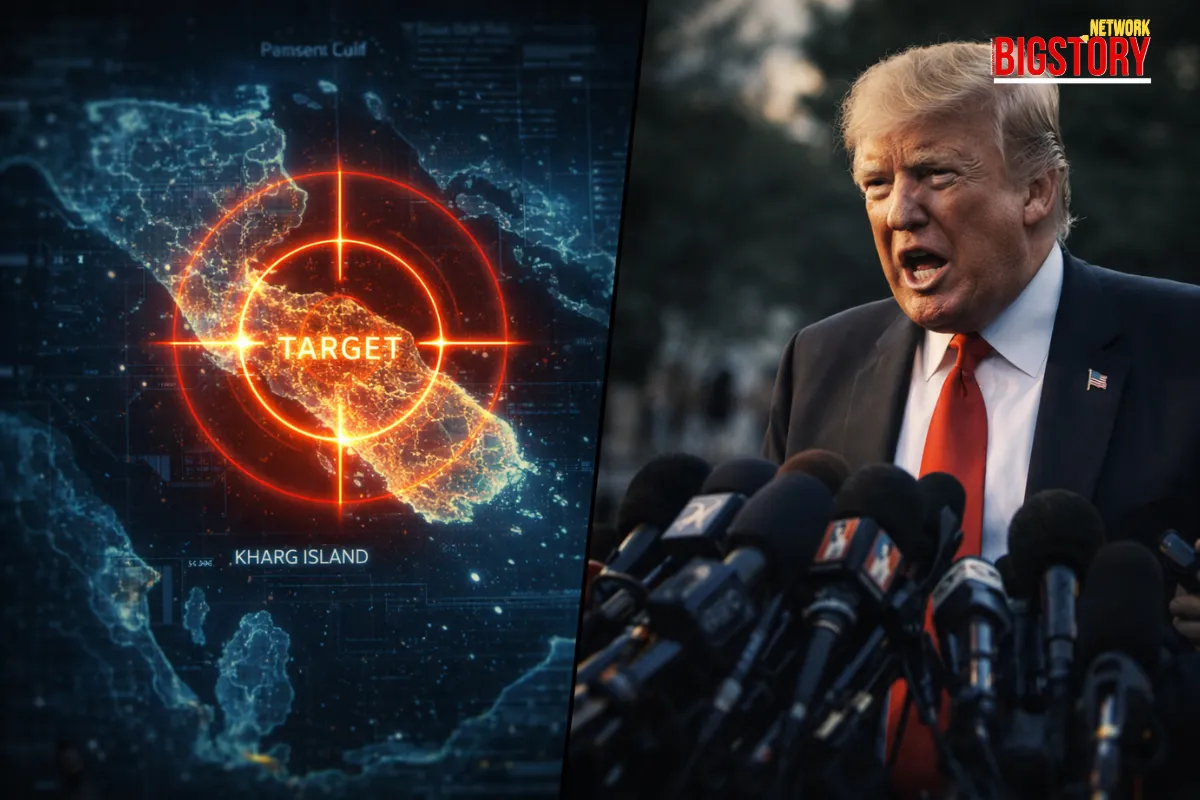
In a high-stakes interview on Monday, March 30, 2026, Trump openly suggested that the United States could move beyond punitive airstrikes to physically seize Iranian oil assets. Specifically, the President targeted Kharg Island—the strategic terminal responsible for over 90% of Iran's crude exports—proposing a military occupation to force an end to the month-long war.
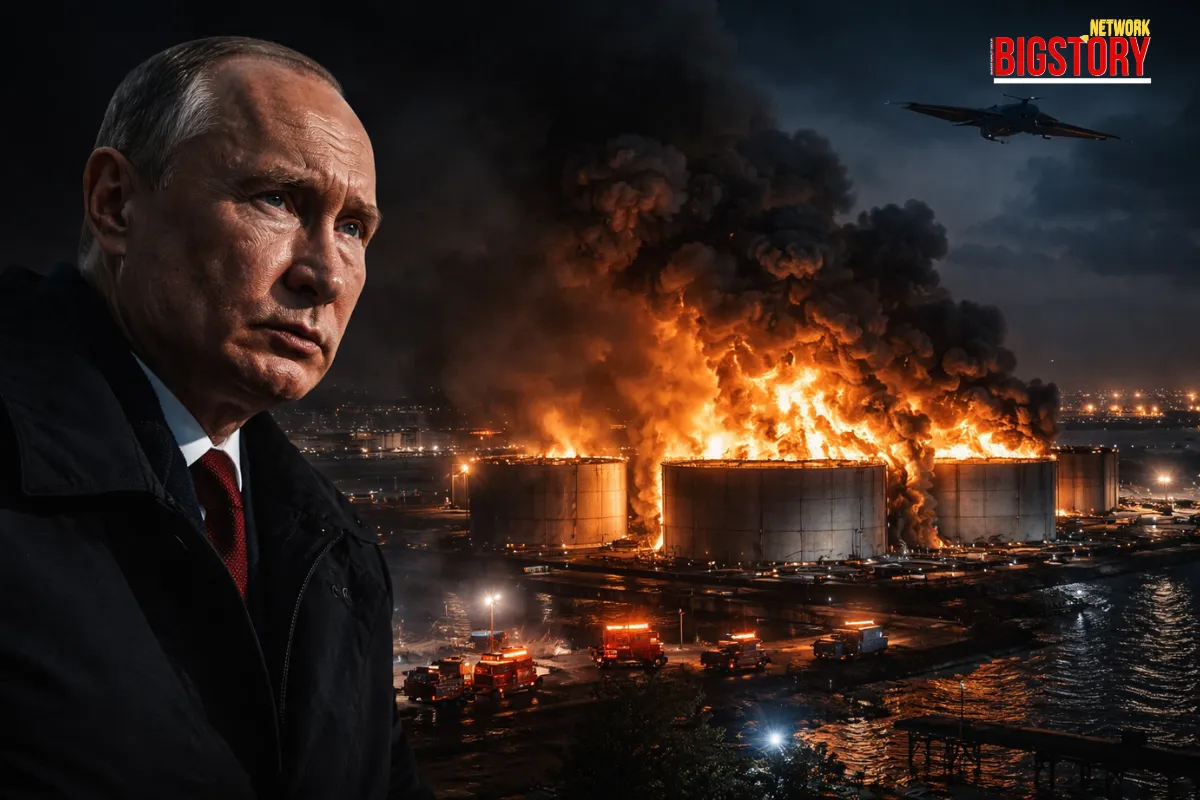
With Brent crude already skyrocketing to $116 a barrel, the threat of an American ground invasion of the world's most volatile energy chokepoint has sent shockwaves through global markets and diplomatic channels.
The rhetoric follows a rapid breakdown in backchannel diplomacy.
Donald Trump, President of the United States Trump is openly musing about a ground invasion of a specific, critical energy node. Defending the idea, he argued that taking the oil is his "favourite thing" and aggressively dismissed domestic critics of the plan as "stupid people." "Maybe we take Kharg Island, maybe we don't. We have a lot of options... It would also mean we had to be there for a while," the President stated.
Kharg Island's Strategic Value Located 20 miles off the Iranian mainland, Kharg Island handles the vast majority of Iran’s oil exports. While Trump claimed its defenses are "weak" and it could be taken "very easily," regional military analysts warn that the island is well within range of heavy Iranian mainland artillery and anti-ship missile batteries.
The Pentagon's Troop Surge Trump's rhetoric is being backed by physical military movements. As of Monday, 2,500 U.S. Marines have arrived in the region. Furthermore, an additional 10,000 ground troops—including units from the elite 82nd Airborne Division—have been ordered to deploy, providing the tactical "teeth" required for a potential seizure operation.
While the world focuses on the shock value of the phrase "take the oil," the true "Missed Angle" in Trump's interview is his explicit comparison to Venezuela. He isn't just threatening a tactical, hit-and-run strike; he is openly discussing a permanent resource occupation.
For India, this is the absolute worst-case scenario. Up to this point, New Delhi has successfully leveraged its "Strategic Autonomy" through neutral diplomacy, securing safe transit corridors for Indian ships like the Jag Vasant and Pine Gas.
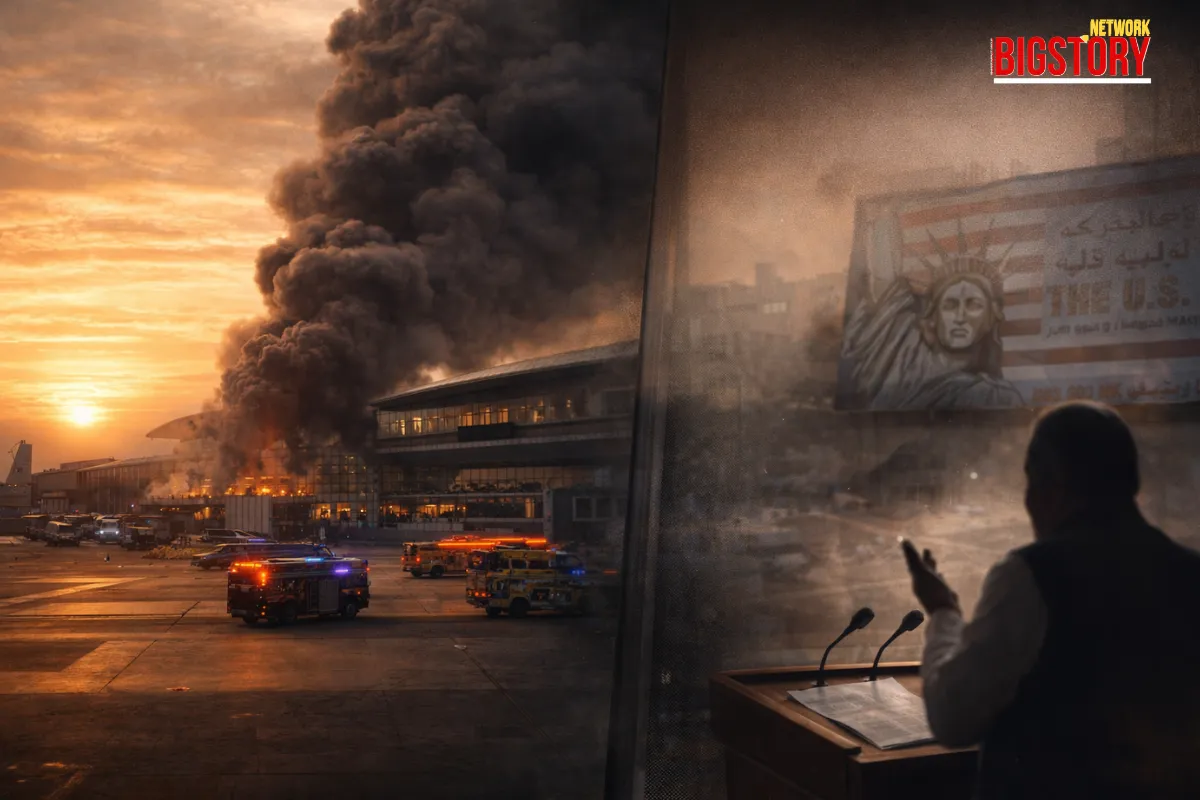
If the U.S. occupies Kharg Island, that diplomatic neutrality evaporates. India would no longer be negotiating passage with a sovereign Iranian state, but navigating a warzone controlled by a U.S. military administration. The "Special Status" that Indian oil tankers have enjoyed in the Strait of Hormuz over the last month would be instantly terminated.
If the world's superpower decides that the only way to open a strait is to conquer an island, how much will the rest of the world pay at the pump to fund the occupation?
As the West Asia conflict grinds into its fifth week, U.S. President Donald Trump has signaled a terrifying new escalation in Washington's military objectives.
In a high-stakes interview on Monday, March 30, 2026, Trump openly suggested that the United States could move beyond punitive airstrikes to physically seize Iranian oil assets. Specifically, the President targeted Kharg Island—the strategic terminal responsible for over 90% of Iran's crude exports—proposing a military occupation to force an end to the month-long war.
With Brent crude already skyrocketing to $116 a barrel, the threat of an American ground invasion of the world's most volatile energy chokepoint has sent shockwaves through global markets and diplomatic channels.
The rhetoric follows a rapid breakdown in backchannel diplomacy.
Donald Trump, President of the United States Trump is openly musing about a ground invasion of a specific, critical energy node. Defending the idea, he argued that taking the oil is his "favourite thing" and aggressively dismissed domestic critics of the plan as "stupid people." "Maybe we take Kharg Island, maybe we don't. We have a lot of options... It would also mean we had to be there for a while," the President stated.
Kharg Island's Strategic Value Located 20 miles off the Iranian mainland, Kharg Island handles the vast majority of Iran’s oil exports. While Trump claimed its defenses are "weak" and it could be taken "very easily," regional military analysts warn that the island is well within range of heavy Iranian mainland artillery and anti-ship missile batteries.
The Pentagon's Troop Surge Trump's rhetoric is being backed by physical military movements. As of Monday, 2,500 U.S. Marines have arrived in the region. Furthermore, an additional 10,000 ground troops—including units from the elite 82nd Airborne Division—have been ordered to deploy, providing the tactical "teeth" required for a potential seizure operation.
While the world focuses on the shock value of the phrase "take the oil," the true "Missed Angle" in Trump's interview is his explicit comparison to Venezuela. He isn't just threatening a tactical, hit-and-run strike; he is openly discussing a permanent resource occupation.
For India, this is the absolute worst-case scenario. Up to this point, New Delhi has successfully leveraged its "Strategic Autonomy" through neutral diplomacy, securing safe transit corridors for Indian ships like the Jag Vasant and Pine Gas.
If the U.S. occupies Kharg Island, that diplomatic neutrality evaporates. India would no longer be negotiating passage with a sovereign Iranian state, but navigating a warzone controlled by a U.S. military administration. The "Special Status" that Indian oil tankers have enjoyed in the Strait of Hormuz over the last month would be instantly terminated.
If the world's superpower decides that the only way to open a strait is to conquer an island, how much will the rest of the world pay at the pump to fund the occupation?
 Exclusive Content





Sign up for the Daily newsletter to get your biggest stories, handpicked for you each day.

 Trending Now! in last 24hrs